
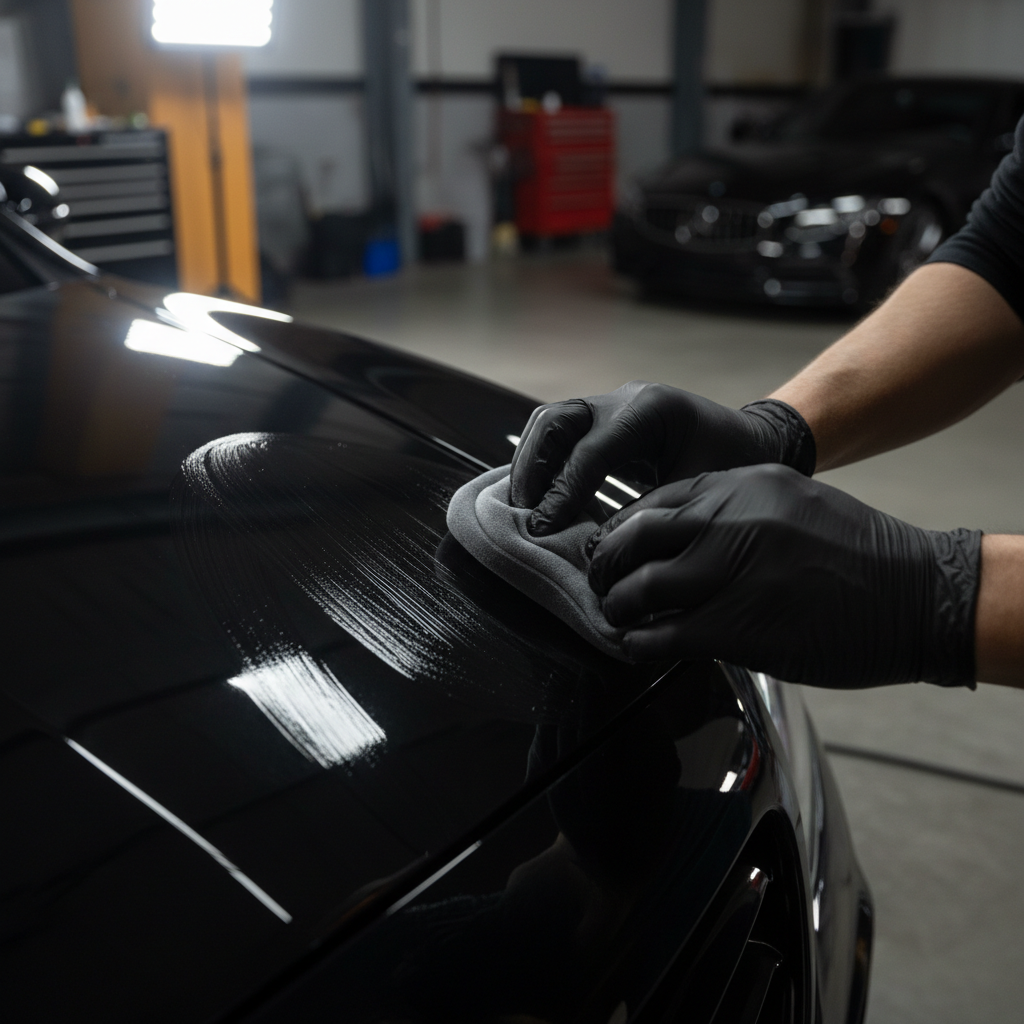
To protect car paint summer after summer, apply a UV resistant wax or ceramic coating and prioritize parking in shaded areas. Regular washing is also essential to remove environmental contaminants before the Tennessee heat can permanently bake them into the vehicle's finish.
The Tennessee summer sun is relentless. As the mercury climbs and humidity settles over the Volunteer State, your vehicle faces an invisible, yet destructive, chemical assault. Intense UV rays do more than just heat your cabin; they actively break down your car's clear coat, leading to premature oxidation and a dull, chalky finish that diminishes your investment. At Flawless Finish, we understand that preserving a showroom glow requires more than a simple car wash. This guide explores the science behind solar damage and the professional solutions needed to combat it. You will learn about the transformative power of System X ceramic coating, the necessity of precision paint correction, and practical strategies for managing local hazards like aggressive tree sap and lovebugs. We provide the expert insight necessary to ensure your vehicle remains protected, pristine, and resilient throughout the most demanding months of the year.
The Unique Challenges of a Tennessee Summer for Your Vehicles Paint
Drivers in East Tennessee understand that a summer day in Clinton or Knoxville is rarely just sunny. It is a high intensity environment where the UV index frequently reaches extreme levels, bombarding your vehicle’s exterior with radiation. This intense heat is often punctuated by sudden, violent afternoon thunderstorms. This rapid fluctuation from 95 degree surface temperatures to a cold rain shower creates a thermal stress cycle that most factory finishes are not prepared to handle indefinitely.
Over time, these elements work in tandem to degrade the clear coat. The high humidity keeps moisture on the surface longer, while the UV rays break down the molecular bonds of the paint. The result is oxidation, a process where the paint loses its luster and begins to look cloudy or faded. When these environmental factors are combined with the mineral deposits left behind by evaporated rainwater, the damage accelerates. This cycle can turn a vibrant finish into a dull, neglected surface in just a few seasons.
At Flawless Finish, we have spent over 20 years observing exactly how this regional climate affects different vehicle makes and models. We have seen how the softer clears on certain imports react differently to the Tennessee sun than the thicker paints found on domestic trucks. This local experience is why we focus so heavily on expert paint correction to restore depth before applying System X ceramic coatings. Understanding the specific atmospheric challenges of Clinton is essential if you want to effectively protect car paint summer after summer. Our professional detailing services are specifically calibrated to counter these local environmental threats.
How UV Rays Damage Car Paint and Clear Coats
To understand how to protect car paint summer after summer, you must look at the microscopic level. Ultraviolet radiation consists of high energy photons that penetrate the clear coat and physically break the molecular bonds of the paint’s resins. This process, known as photochemical degradation, leads directly to oxidation. When those chemical bonds fail, the surface becomes porous and loses its ability to reflect light. This is why a vehicle that was once glossy begins to look dull, chalky, or develops a cloudy white haze that standard washing cannot remove.
In East Tennessee, dark colored vehicles like black or navy blue are particularly vulnerable. These pigments act as heat sinks, absorbing significantly more solar energy than lighter colors. It is common for a dark hood to reach surface temperatures far exceeding the ambient air temperature, which serves as a catalyst for the clearing coat's failure. Relying solely on intermittent shade is often insufficient. Ambient heat radiation from surrounding asphalt and high humidity levels continue to stress the paint and clear coat even when the car is not in direct sunlight. This cumulative thermal load compromises the finish, making the intervention of professional detailing services necessary to address early signs of degradation before the damage becomes irreversible.
The Power of System X Ceramic Coating in Extreme Heat
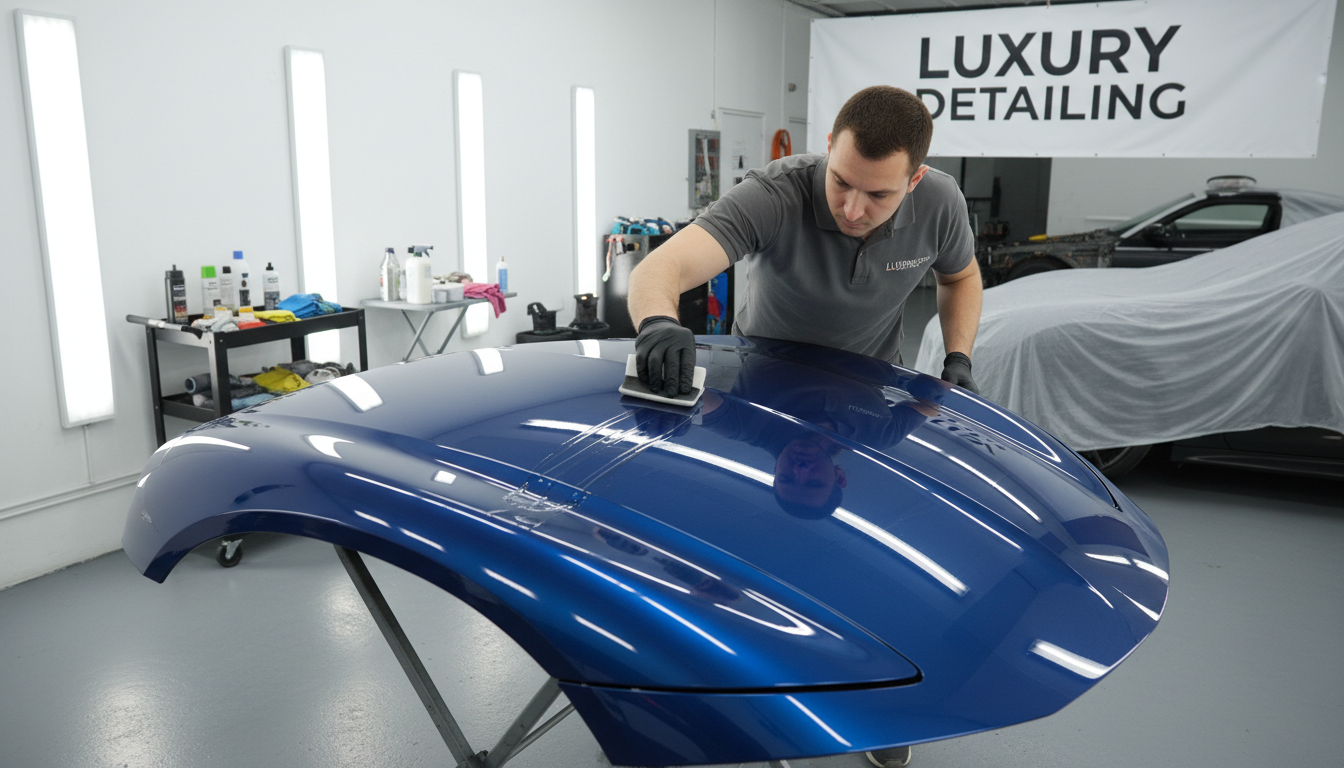
Traditional waxes and store-bought sealants are largely ineffective against the sustained thermal loads of a Clinton summer. Most high-quality carnauba waxes begin to soften and degrade at temperatures around 160 degrees Fahrenheit. While that sounds extremely high, the surface temperature of a dark vehicle parked in an open lot can easily exceed this threshold within an hour of direct exposure. When the wax melts, it attracts dust and loses its ability to protect car paint summer after summer.
To combat these local conditions, Flawless Finish utilizes System X ceramic coatings. As a certified installer, we provide a solution that is chemically distinct from temporary protectants. Instead of sitting loosely on top of the clear coat, System X creates a sophisticated covalent bond with the vehicle's factory finish. This chemical integration results in a semi-permanent or permanent layer of 9H protection that is completely impervious to heat; it will not melt, wash off, or degrade under the intense Tennessee sun.
This coating functions as a secondary, much harder clear coat with several practical benefits for vehicles in our region:
Feature | Traditional Wax | System X Ceramic Coating |
|---|---|---|
Heat Resistance | Low (Melts in direct sun) | High (Withstands over 1,000°F) |
Durability | 1 to 3 Months | Multiple Years to Lifetime |
Protection Type | Physical Barrier | Chemical Bond |
Maintenance | Frequent Reapplication | Hydrophobic and Self-cleaning |
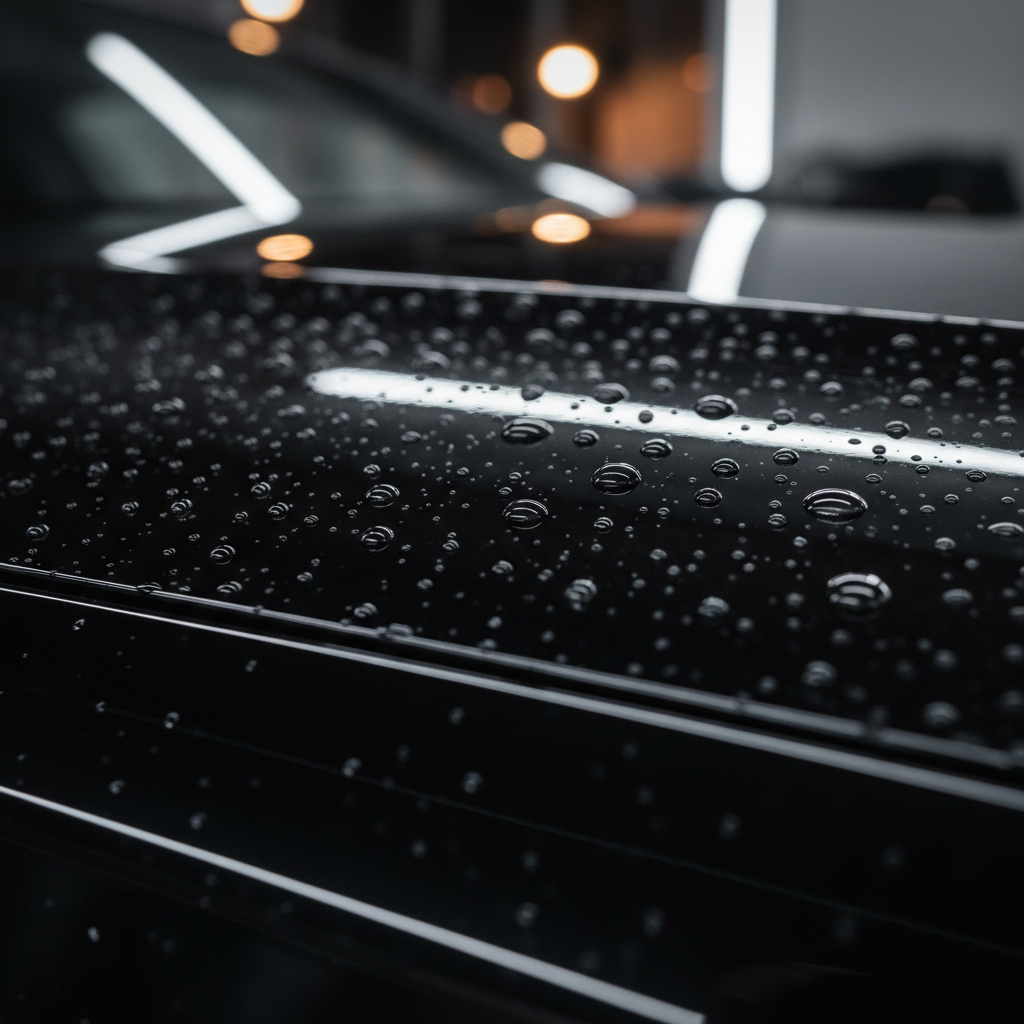
The primary advantage for local drivers is the extreme hydrophobicity. After one of our sudden afternoon thunderstorms, water beads and rolls off the surface, carrying away dirt and environmental contaminants that would otherwise cause mineral spotting. The coating also incorporates advanced UV inhibitors that act as a high SPF sunscreen for your car, preventing the photochemical degradation caused by high-index radiation. By choosing these professional detailing services, you transition from temporary maintenance to long term preservation. The slickness of the surface also reduces the friction required to wash the vehicle, which is vital for preventing the micro-marring often seen on unprotected paint during the high-use summer months.
Why Professional Paint Correction is the Foundation of Summer Protection
Applying a ceramic coating or sealant over compromised paint is a fundamental mistake. If you seal the surface while it still harbors swirl marks, fine scratches, or oxidation, you are effectively locking those defects under a durable, transparent layer. In the harsh East Tennessee sun, these imperfections become far more apparent. The high intensity light acts as a magnifying glass, illuminating every micro-scratch and holographic trail that might go unnoticed on a cloudy day in Clinton.
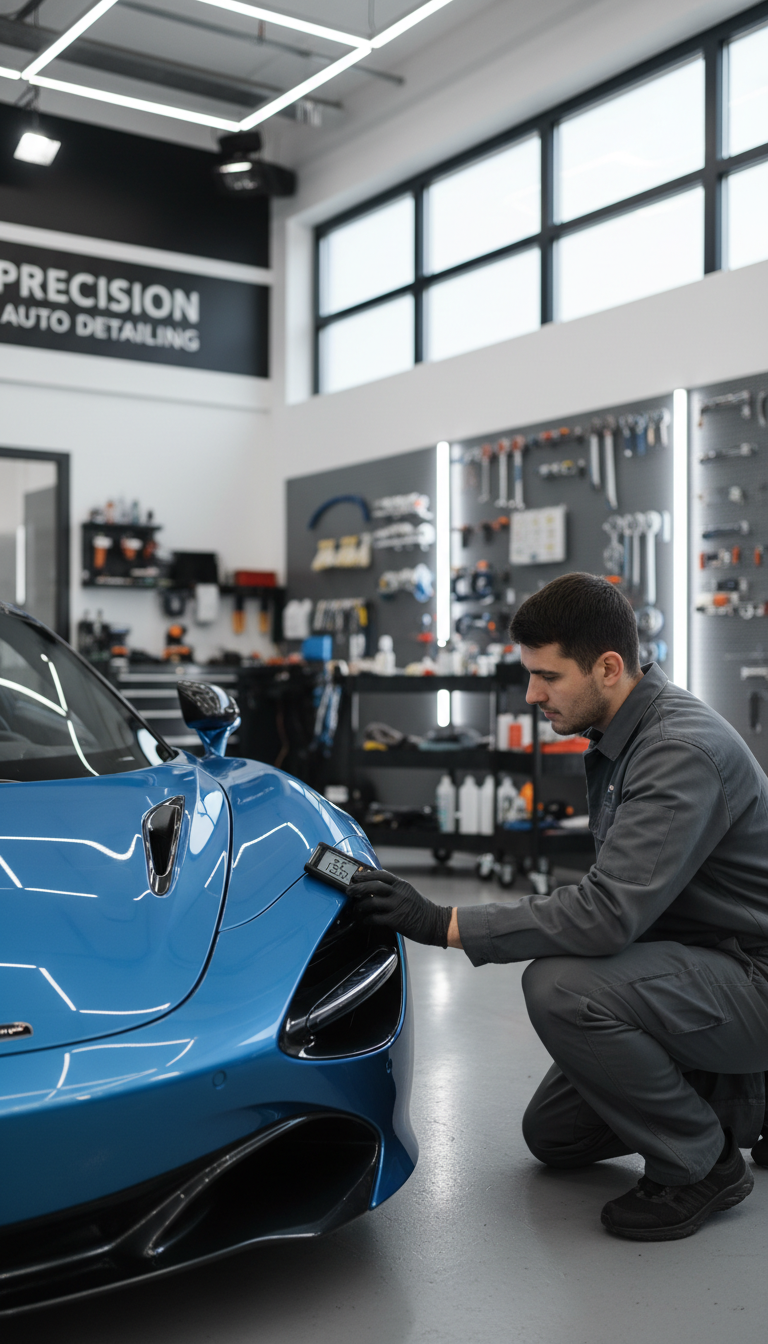
At Flawless Finish, we view expert paint correction as the mandatory foundation to protect car paint summer after summer. Our process involves using professional grade dual action and rotary polishers combined with specific abrasive compounds to level the clear coat. We do not simply mask scratches with oily fillers; we remove them. To ensure your vehicle's long term health, we utilize digital paint thickness gauges throughout the correction process. This technical data allows us to measure exactly how much clear coat remains, ensuring we never compromise the structural integrity of the finish while achieving mirror-like clarity. By leveling the surface to a true flat plane, we provide the ideal foundation for a coating to bond, resulting in maximum gloss and the highest possible level of environmental resistance.
Tennessee Specific Summer Hazards: Tree Sap and Lovebugs
Once the surface is corrected, it becomes vulnerable to unique biological threats found throughout East Tennessee. In Clinton and the surrounding rural areas, pine tree sap and lovebug splatter represent significant risks to your vehicle’s finish. Unlike dust or road grime, these substances are chemically aggressive. Lovebugs contain highly acidic body fluids that, when left on a bumper or hood, begin to eat into the clear coat. The intense summer heat accelerates this process, essentially baking these acids into the surface. This results in etching, which is a permanent physical indentation in the paint that typically requires expert paint correction to repair.
Pine sap presents a different challenge. As temperatures rise, the resin softens and spreads; as it cools, it hardens into a solid mass that bonds tightly to the clear coat. Attempting to scrape these contaminants off while dry is a common mistake that leads to deep scratches. To safely remove them, you should use a dedicated bug and tar remover or a high-lubricity detail spray. Allow the product to dwell on the spot to break down the chemical bond before gently wiping it away with a clean microfiber towel.
Applying System X ceramic coatings provides a critical defense against these local hazards. The coating creates a high-density, non-porous layer that prevents acidic fluids and sticky resins from reaching the clear coat. Because the surface becomes so slick, these contaminants cannot form a strong bond, making them much easier to rinse away during your regular professional detailing services. This preventative measure is the most effective way to protect car paint summer after summer, ensuring that a drive through the Tennessee countryside does not result in permanent surface damage.
Best Practices for Washing Your Car During a Heatwave
Even with a protective layer in place, your maintenance routine must adapt to the soaring temperatures in Clinton. The primary goal during a heatwave is to prevent water and chemicals from drying on the surface before you can rinse them away. When the vehicle’s metal panels are hot to the touch, any liquid applied will evaporate instantly, leaving behind concentrated mineral deposits known as water spots. These spots can be difficult to remove and, if left to bake in the sun, may eventually require expert paint correction to repair the etching.
To effectively protect car paint summer after summer, adhere to these practical washing guidelines:
Time Your Wash: Only wash your vehicle in the early morning or late evening. Avoid the peak sun hours between 10:00 AM and 6:00 PM when the Tennessee UV index is at its highest.
Use the Two-Bucket Method: Fill one bucket with a pH-neutral automotive shampoo and a second with clean rinse water. Dip your wash mitt in the soapy water, clean a section, then rinse the mitt in the clean water bucket to dislodge dirt before reloading with soap. This prevents grit from being dragged across the clear coat.
Work in Sections: Wash and rinse one panel at a time, starting from the top and working down, to ensure the soap stays wet.
Avoid Automatic Washes: The aggressive brushes at local gas station washes often harbor debris from previous vehicles, which creates swirl marks. Furthermore, the high-pH detergents used in these tunnels are designed to strip grease but can also degrade your protective sealants.
For owners who have invested in System X ceramic coatings, the washing process is significantly easier due to the surface's high hydrophobicity. Dirt and grime release with minimal friction, reducing the risk of marring. If you find the summer heat makes DIY maintenance too difficult, scheduling professional detailing services ensures your vehicle is cleaned in a controlled environment using deionized water, which eliminates the risk of mineral spotting entirely.